
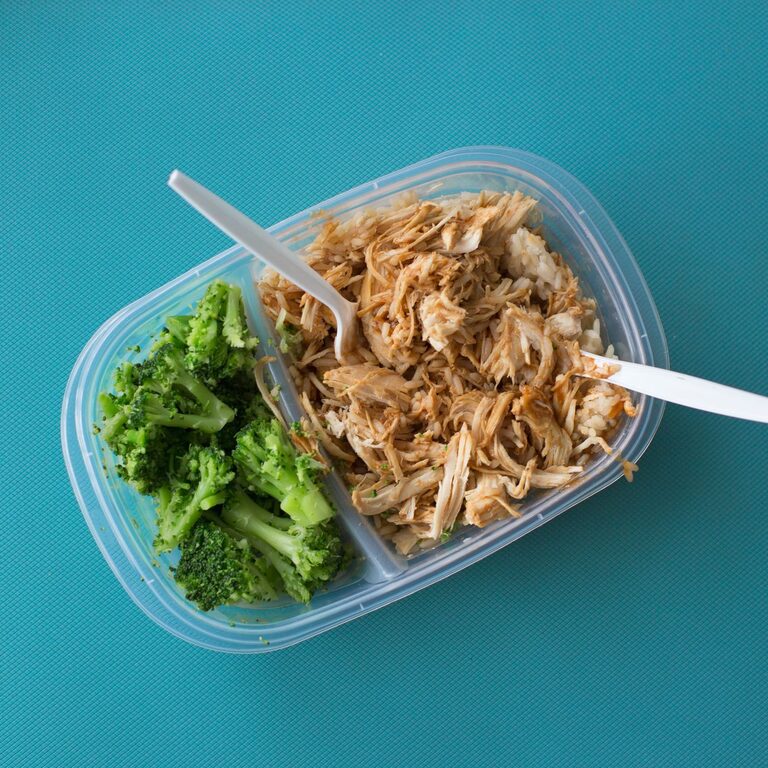
Cleaning up after dinner can often feel like a daunting task, especially after a busy day. However, incorporating a few simple strategies into your cooking and cleaning routine can make dinner cleanup much easier and quicker. Whether you’re cooking for one or feeding a family, these practical tips will help you tackle the mess efficiently, freeing up your evening for relaxation or quality time.
Plan Ahead: Prep Smart for Easier Cleanup
Use Minimal Cookware
Try to choose recipes that require fewer pots and pans. One-pot meals or sheet-pan dinners can reduce the number of dishes to wash afterwards. By cooking everything in a single dish, you contain the mess and save time cleaning multiple items.
Prep Ingredients Before Cooking
Organize and prepare all your ingredients before you start cooking. Use bowls or containers to hold chopped vegetables, measured spices, or marinades. This keeps your workspace tidy and prevents spills and clutter during meal prep.
Clean as You Go
One of the best habits for easy cleanup is cleaning utensils, cutting boards, and bowls while the food cooks. Washing or placing used items in the dishwasher as you go minimizes the pile of dirty dishes at the end of the meal.
Smart Tools and Products to Speed Up Cleanup
Invest in Non-Stick Cookware
Non-stick pans and baking sheets are easier to clean because food tends not to stick. This reduces scrubbing time and helps dishes stay in good condition longer.
Use Silicone or Disposable Liners
Silicone baking mats and liners can be reused and make cleaning trays and pans a breeze. Alternatively, for very busy days, disposable parchment papers can reduce cleanup significantly.
Have the Right Cleaning Supplies Handy
Keep dish soap, scrubbers, sponges, and drying mats organized near your sink. Having everything within reach encourages quick action instead of leaving dishes to pile up.
Efficient Cleaning Strategies
Soak Pots and Pans Immediately
Fill pots and pans with hot, soapy water as soon as you’re finished cooking. Letting them soak loosens stuck-on food and reduces scrubbing time later.
Use a Dishwasher Smartly
Load the dishwasher thoughtfully by placing larger items first and making sure everything is spaced out for effective cleaning. Run the dishwasher promptly to avoid stale smells or leftover food on dishes.
Wipe Counters and Stovetops Right Away
Cleaning surfaces immediately after dinner prevents food from drying and becoming harder to remove. Use a multi-purpose cleaner and a microfiber cloth for a quick wipe-down.
Organizing for a Cleaner Kitchen
Declutter Your Kitchen
A well-organized kitchen makes cleaning easier. Store appliances, utensils, and ingredients efficiently to reduce mess and confusion during cooking and cleaning.
Designate Cleanup Zones
Create specific areas for dirty dishes, clean dishes, and trash. Having designated spots helps keep the kitchen orderly and speeds up the cleaning process.
Regularly Empty the Trash
Don’t let the garbage overflow during or after dinner. Emptying the trash before starting your cleanup can keep odors at bay and make room for waste.
Make Cleanup a Family Activity
Share Tasks
Divide cleanup duties among family members or roommates. Assign simple roles like clearing the table, loading the dishwasher, or wiping counters. This teamwork makes cleanup faster and less burdensome.
Teach Kids to Help
Involving children in cleaning not only speeds things up but also teaches responsibility. Tasks like rinsing vegetables, setting the table, or putting away utensils can be fun and educational.
Set a Cleanup Routine
Establish a routine or schedule for after-meal cleaning. Consistency helps build habits that make cleanup feel less like a chore.
Additional Tips to Make Cleanup Easier
– Use Clear Containers for Leftovers: This helps keep your fridge organized and reduces spills.
– Opt for Easy-to-Clean Dishware: Plates and bowls with smooth surfaces are simpler to wash.
– Keep Paper Towels or Cloth Rags Accessible: Quickly tackle spills before they harden.
– Consider Meal Timing: Eating earlier can give you more time for relaxed cleanup.
Conclusion
Dinner cleanup doesn’t have to be a dreaded task. By planning ahead, using the right tools, organizing your kitchen, and sharing the workload, you can make cleanup faster and smoother. These tips not only save time but also create a more enjoyable cooking and eating experience. Try incorporating a few strategies at a time, and you’ll soon notice the difference in your kitchen routine. Happy cooking—and cleaning!